
Maths: Scaffolding without giving answers
Robyn helps students work through problems step-by-step using the teacher's methods
Robyn references the teacher's specific method ("KFC") taught in the lesson, doesn't just give the answer, and guides the pupil step-by-step through multiple problems using the same technique.
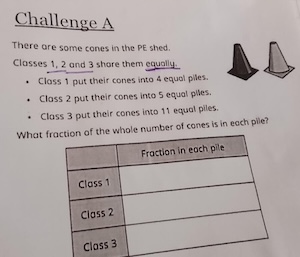
Patient, systematic scaffolding over an extended interaction with a child whose first language is not English. Robyn clarifies vocabulary, handles misspellings, builds confidence through repeated success, and maintains engagement throughout. The pupil progresses from not knowing what equivalent fractions are to independently identifying multiple examples.
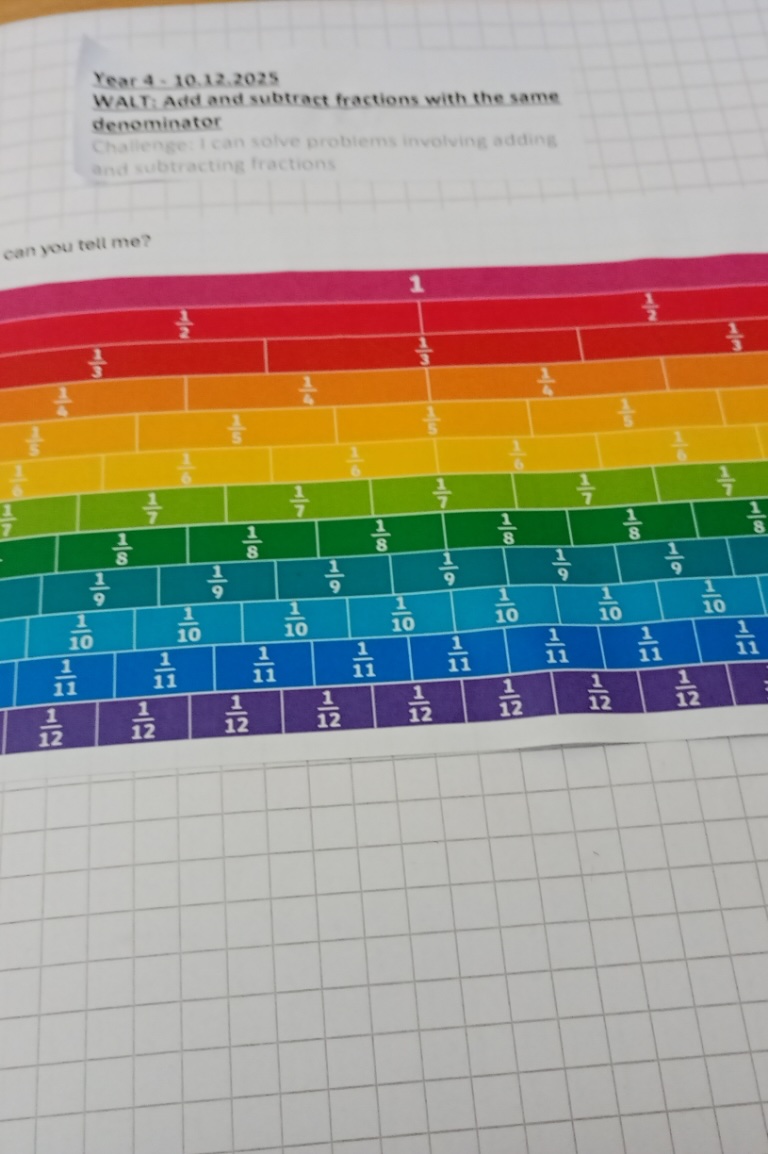
Robyn explains a concept, then generates progressively harder practice questions. When the pupil goes off-topic or tests boundaries, Robyn gently redirects while maintaining warmth. The conversation shows natural rapport building alongside genuine learning.
Pupil struggles to understand the concept at first. Robyn shows patience, rephrasing explanations, using analogies, and breaking the task into tiny steps until the pupil achieves success. Also demonstrates respecting the pupil's need for a break.
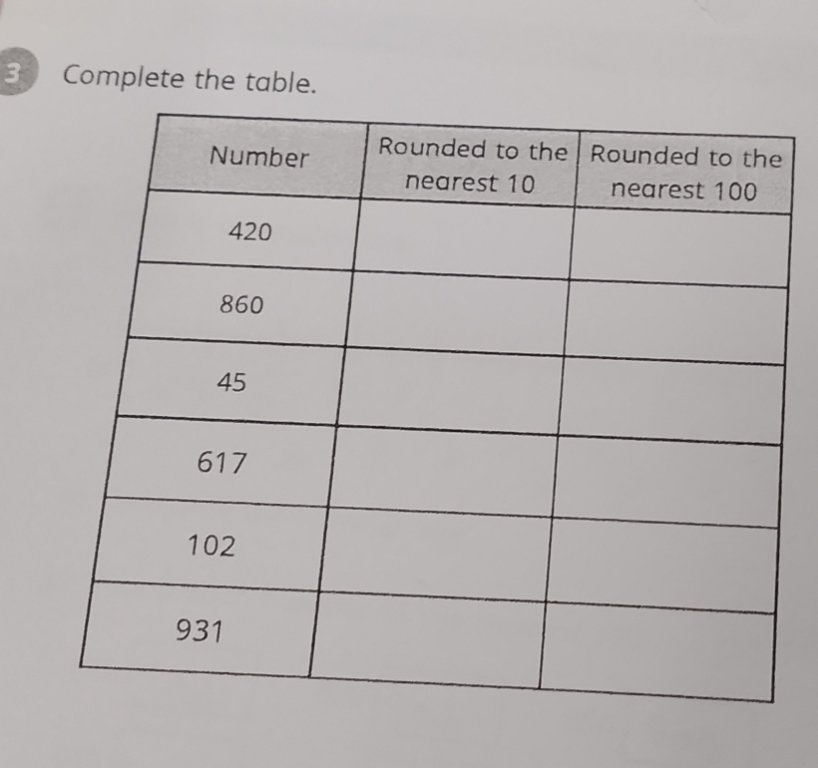
English: Supporting writing and vocabulary
Robyn helps with upleveling, feedback, and staying on task
Robyn provides detailed feedback on multiple writing features (structure, spelling, vocabulary, grammar), responds to specific questions, tracks improvements across drafts, and suggests next steps. The pupil iteratively improves their work based on Robyn's scaffolded guidance.


Robyn adapts to support a pupil with an injury who cannot write. The pupil dictates sentences one at a time, and Robyn provides feedback on each while building toward a complete piece. Robyn respects the pupil's pace and compiles the final story when requested.
Robyn provides balanced feedback across multiple pages of work, highlighting successes (relative clauses, vocabulary, sensory detail) while suggesting specific improvements. When the pupil redirects the conversation to spelling, Robyn adapts and provides the help they're asking for.


When asked to do the work directly, Robyn politely declines and explains why. The pupil pushes back, but Robyn maintains its position warmly. Once the pupil decides to try themselves, Robyn provides supportive feedback on their attempt.


Art & Design: Supporting creative choices
Robyn helps pupils develop their ideas and make design decisions
Robyn helps a pupil develop their creative vision through guided questioning, offering options without imposing choices. When the pupil declines suggestions, Robyn respects their decisions and continues to support their own ideas.
Robyn provides design feedback that balances praise with constructive questions. Rather than telling the pupil what to fix, Robyn prompts them to evaluate their own work—checking symmetry, neatness, and how the design will translate to the final product.
Also, think about whether the ears and face shape are balanced on both sides. If something's not quite even, how might you change it so it looks more symmetrical?
Finally, how will this design look when made smaller as a keyring? Which colours or details could you keep or change so the picture still looks clear?
What could you do next to improve this pixel art design?